

Boondocking: how to camp with no hookups
How long can you stay out?
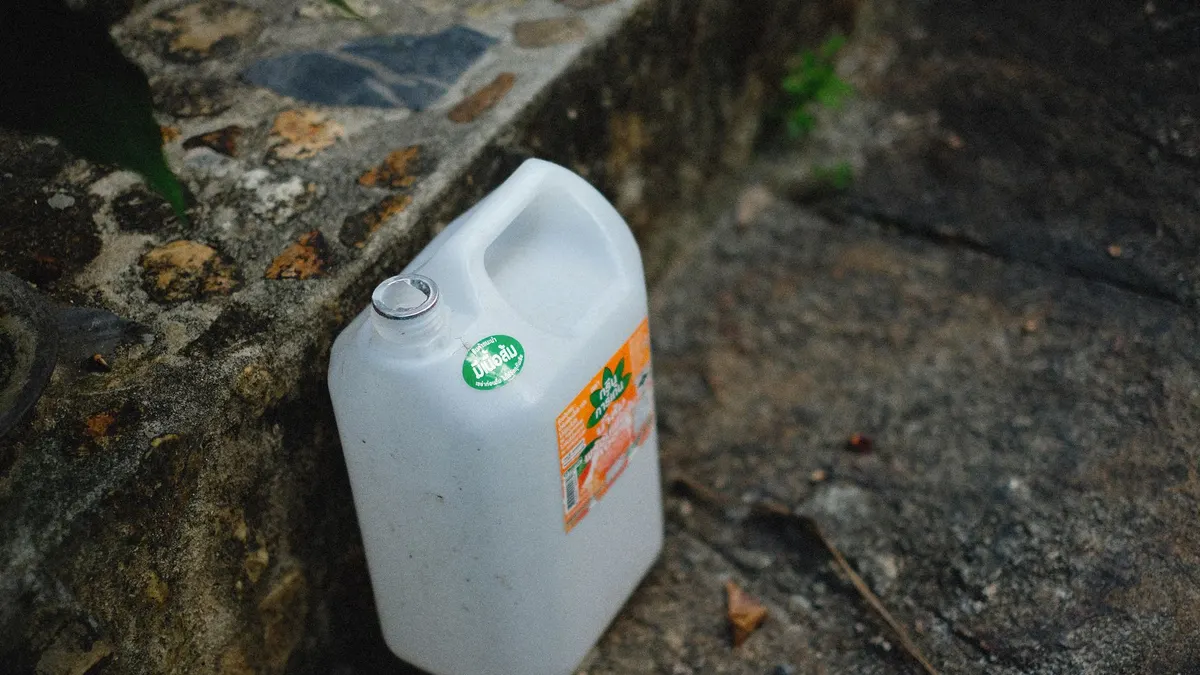
Fresh water is usually the binding constraint. At a careful 3 gallons per person per day, your tank size sets the trip.
Fresh water capacityGuides
The skills that keep you out there.
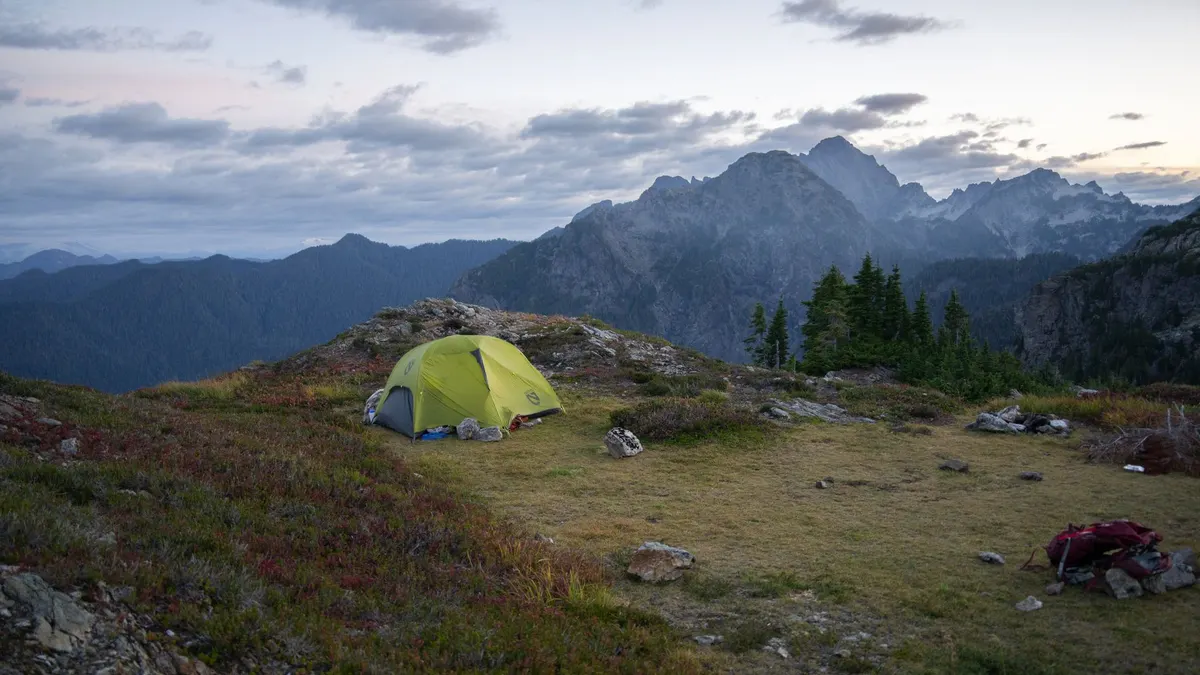
Picking a Boondocking Site: What to Check Before You Park
How to judge a dispersed campsite once you are standing on it: legal setbacks, durable surface, drainage, the way out, and the noise and waste rules. The checks that decide whether the spot works, in the order they matter.
Boondocking Waste and Dumping: What Is Legal and How to Plan It
The federal rules on dumping tanks and burying human waste, what the grey water wash-water wording actually covers, what dump stations cost, and how to plan the trip around the tank that fills first. The rules half of the dump station question.
How to Find Your Own Boondocking Spot: The Method
Scout on satellite, confirm it is legal and drivable, call the ranger district, and arrive with daylight and two backups. The repeatable method for finding your own free camp instead of chasing someone else's pin.
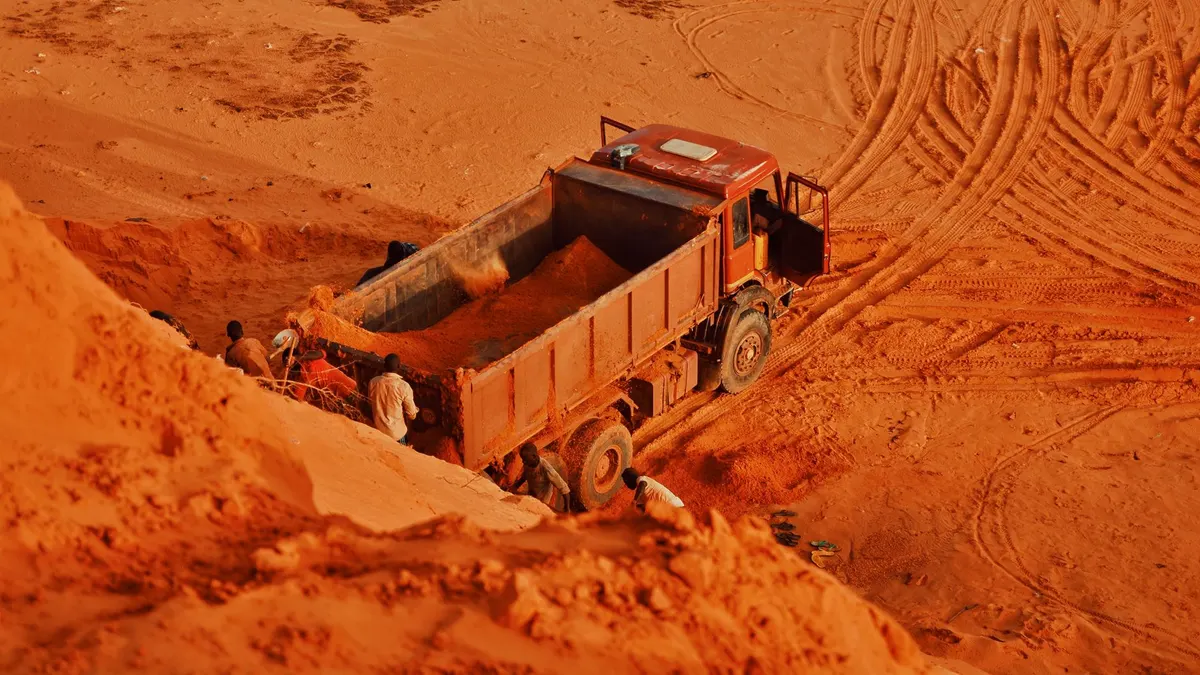
Getting Unstuck: How to Free a Vehicle on a Backcountry Road
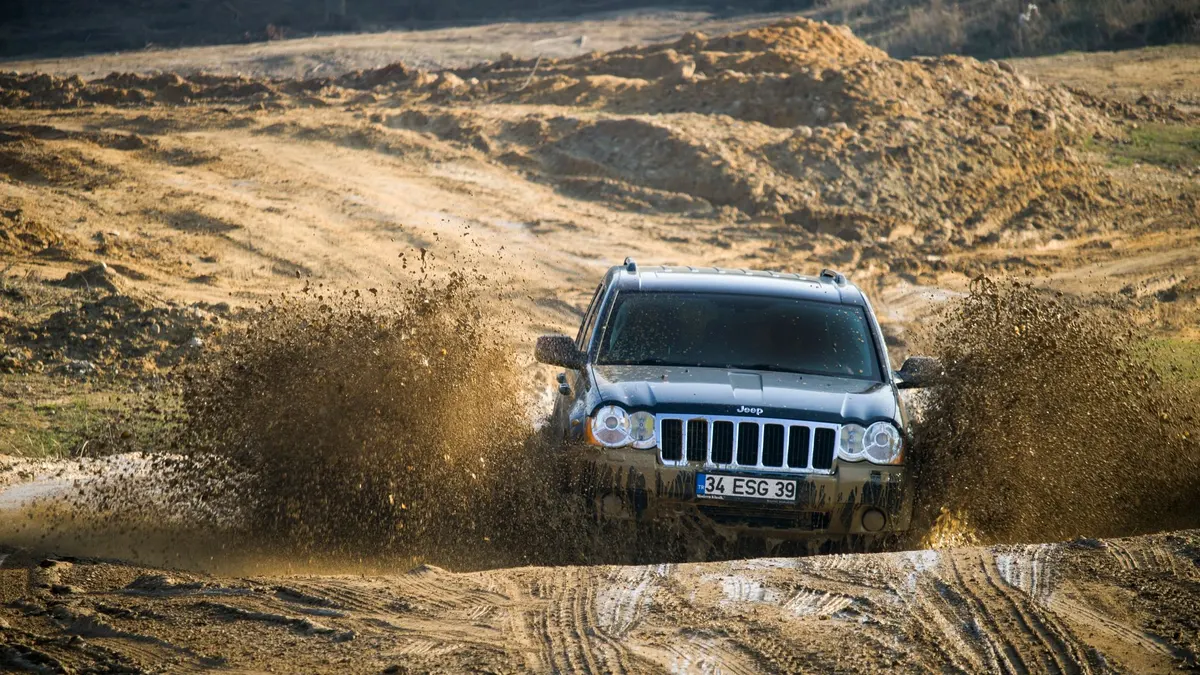
Stop spinning, dig, get something solid under the tires, and use smooth power in low gear. What the land agencies actually recommend, the gear that works, and the honest odds that self-rescue fails and you spend the night there.
Latest
Latest in boondocking
Three California national forests, three different camping limits, and two of them are annual
Sequoia allows 14 consecutive days in any 30-day period. Plumas caps you at 30 days for the whole calendar year. Eldorado allows 10 days a year dispersed per ranger district. All three cite the same federal regulation, and all three are in force right now.
BLM lifted Stage 1 fire restrictions in nine Wyoming counties. Six other Wyoming orders are still posted.
The High Desert District terminated Fire Prevention Order BLM-WY-D00000-2026-01 on September 2, 2026. BLM Wyoming's own fire restrictions page still lists Stage 1 orders for the High Plains and Wind River Bighorn Basin districts.
The BLM's LTVA rules require a fixed 10-gallon waste tank, and a portable toilet does not count
The LTVA season opens September 15. Four of the Long Term Visitor Areas allow self-contained units only, and the BLM's supplementary rules exclude port-a-potty systems and portable holding tanks by name.
Boondocking questions, answered.
What is boondocking?
Camping with no hookups: no water, no electric, no sewer, usually no neighbors. Most often it means dispersed camping on public land, though the word gets stretched to cover any night spent self-contained. The skills are not exotic. It is arithmetic about water and power, plus knowing where you are legally allowed to be.
What actually ends most boondocking trips?
Water, not power. Solar and a decent battery bank quietly solve electricity for most people, and then they discover that fresh water and tank capacity are the real limit. A careful person uses roughly three gallons a day for drinking, cooking, dishes, and a short shower. Do that arithmetic against your tank and you have your trip length before you leave.
How do I find a boondocking spot?
Work in layers. Start with land ownership, so you know whose dirt it is. Then check which roads you are allowed to drive, which on national forest land means the motor vehicle use map. Then look for ground that has obviously been camped on before, because using an existing site is usually required and is always better practice than making a new one. Only then worry about the view.
Is it safe?
Generally, with ordinary caution, and the realistic risks are not the ones people worry about. They are environmental and logistical: no water, no signal, a road that turns to clay when it rains, and a long way from help if something breaks. Tell someone where you are going, carry more water than you think you need, and be honest about whether your vehicle can get back out of where you just drove it in.
Do I need a big rig to do it?
No. A car with a sleeping platform and jugs of water boondocks fine, and a small vehicle gets down roads a Class A cannot approach. Bigger rigs buy you capacity and comfort and cost you access. The most limiting thing is usually not the vehicle, it is how much water you can carry and how honest you are about the road ahead.
Next step
Know where you are allowed to be
Boondocking is a skill. Legality is a lookup. Stay limits, closures, and which agency owns the dirt all change by district, so check the state page before you commit to a week.
Check your state →